Couples Therapy & Relationship Counseling · Los Feliz
When the same fight keeps happening, it’s rarely about the fight.
Couples therapy in Los Feliz for partners who want to stop circling the same arguments, find their way back to each other, and build a relationship that feels safe and alive again.
$300 / 55 min · 90-min double sessions · Gottman Method Trained

01 — The Experience
You can love each other deeply and still feel profoundly disconnected.
Most couples I see don’t lack love. They’re caught in a loop: one of you pushes, the other pulls away, and you both end up feeling misunderstood, exhausted, or alone. The topic changes, but the dance stays the same.
Underneath, it’s usually the same struggle. Each of you needs something emotionally and expects the other to simply know it and show up that way, without ever really working it out together. Needs go unspoken, blame fills the gap, and before long you’re both walking on eggshells, trying not to set off the other’s reactions.
In our sessions we slow that loop down until you can both see what’s actually happening underneath it: the fear, the hurt, the old protective moves. That’s where things start to shift.
Common Dynamics
What Brings Couples to Therapy
The Same Argument on Repeat
Getting stuck in recurring, exhausting loops where small triggers rapidly spiral into familiar gridlock and hurt feelings.
Unspoken Needs
Each of you expects the other to just know what you need and show up that way, without ever working it out together. When they don’t, it feels like proof they don’t care.
Blame & Walking on Eggshells
Conversations turn into blame, or one partner pursues while the other shuts down. You edit yourself to avoid setting off your partner’s reactions, and resentment builds quietly.
Stalled Intimacy & Sex
Feeling more like roommates or co-parents than lovers. Desire has gone quiet, or become a source of tension instead of closeness.
Losing Yourself in the Relationship
Your mood rises and falls with your partner’s, you over-function or people-please to keep the peace, and your own needs keep slipping out of view.
Rebuilding Trust After Betrayal
Navigating the painful aftermath of infidelity, emotional affairs, hidden behaviors, or broken promises with structured guidance.
Major Life Transitions & Strain
Managing the intense relational pressure of welcoming a new baby, career shifts, blending families, or evolving life phases.
Deepening an Existing Partnership
Proactively strengthening emotional vulnerability, communication, and shared values through premarital or enrichment therapy.
02 — My Approach
Your relationship as a path to growth.
Communication scripts and conflict hacks rarely hold up when emotions run high. In the heat of the moment, your nervous system and your oldest defenses take over.
So we work with what’s happening between you in real time. I help each of you use the relationship as support for your own growth: taking responsibility for your own reactions, becoming more patient and compassionate with each other, and holding grace for the best in the other person. We remove blame from the conversation while keeping each of you accountable for your part, because both matter.
My work is anchored in Relational Gestalt and informed by relational mindfulness, the Gottman Method, and attachment-informed somatic emotional processing.
03 — What We Practice
What we practice together
Relational presence: coming back to the here and now, again and again, until it becomes how you meet each other.
Name it, don’t blame it
Saying “I’m hurt” or “I’m scared” instead of “You always…”. Naming your emotional response rather than holding your partner responsible for it.
Own your reactions
Taking accountability for your own responses, even when your partner’s behavior set them off, and holding grace for the best in each other.
Stay with the hard feelings
The heart of the work: learning to feel, express, and stay with the emotions you’d rather not have, without acting them out or shutting down.
Drop the story, find the need
Coming back to the here and now, letting go of the narrative about who did what, and getting to the need underneath it all.
Clear boundaries, open communication
Staying grounded, respectful, open, and transparent, and holding boundaries, spoken and unspoken, with yourself and each other.
Advocate for yourself
Asking clearly for what you need and supporting yourself, instead of waiting to be read or losing yourself in your partner.
Conscious Decoupling
When it’s time to part, part well.
Sometimes two people grow into new phases of life that take them in different directions. Conscious decoupling, sometimes called conscious uncoupling, is for partners who want to end their romantic relationship with integrity, continuing to grow in love and respect even as the relationship changes shape. Instead of blame and resentment, we focus on:
- Honest, open conversations
- Owning your emotional responses
- Clear, healthy boundaries
- A co-parenting plan, if you share children
- Room for each of you to grieve, heal, and grow
The goal isn’t to skip the pain of separating. It’s to move through it in a way that teaches you something about yourself, and to leave things in better condition than you found them, with gratitude and love.
My Training
What I draw on
Relational Gestalt
The Foundation · Here-and-Now Contact
Grounds the work in what is happening between you in the moment, bringing unspoken patterns into the room where they can be seen, felt, and changed.
Relational Mindfulness
Present-Moment Awareness, Together
Staying present and noting what is arising, dropping the narrative, stepping out of interpretation, and checking your assumptions about each other.
The Gottman Method
Research-Based De-escalation
Disarms harmful conflict styles (criticism, contempt, defensiveness, stonewalling) while systematically building friendship and shared meaning.
Somatic Emotional Processing
Attachment-Informed · Body-Centered
Helps each partner notice fight-or-flight activation in real time, feel what lives underneath anger or withdrawal, and reach for each other with clarity.
Relational Psychodynamic
Unconscious Blueprints
Explores how family-of-origin experiences and past hurts unconsciously shape relational expectations, defenses, and triggers.
04 — The Process
How We Work
Together
What the work looks like.
Relational & Attachment Assessment
We begin with a comprehensive joint session followed by individual history sessions to understand each partner's perspective, relationship history, and recurring conflict cycles.
De-escalating the Negative Cycle
We map your unique conflict dance in real time during sessions. Partners learn to recognize when their nervous systems are triggered and step off the defensive escalator.
Vulnerable Reconnection & Repair
As emotional safety returns, I guide direct, vulnerable conversations about underlying attachment needs, fears, and desires, creating authentic moments of repair and intimacy.
Integration & Long-Term Resilience
We consolidate new relational habits, shared rituals of connection, and repair strategies so your relationship can thrive with lasting vitality and mutual trust.
05 — The Therapist
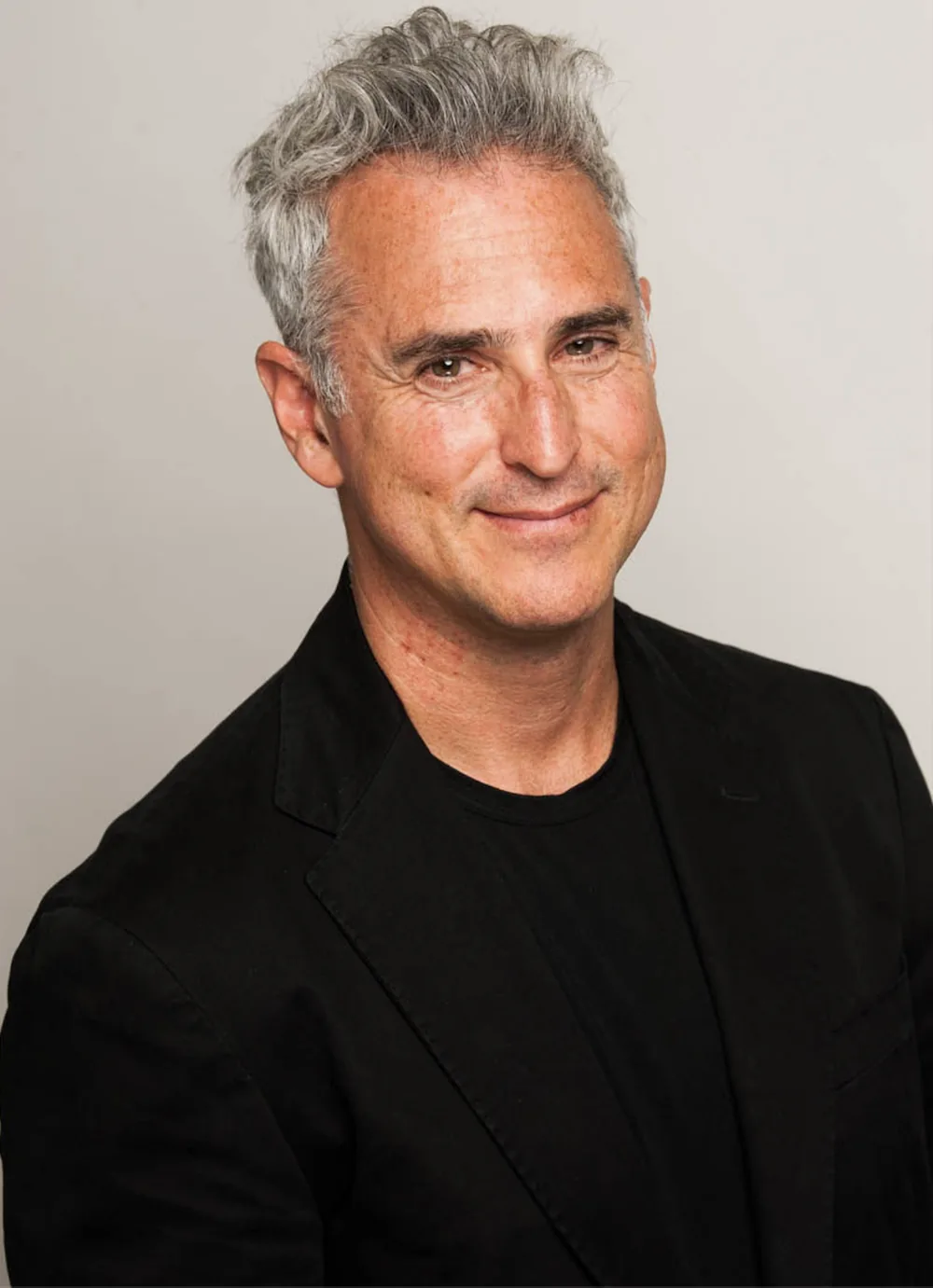
Meet Lorne Lieberman, LMFT
I’m not a therapist who sits back and nods. I’m engaged and direct. I’ll interrupt the loop when it starts, name what I see, and challenge old patterns that aren’t serving either of you, without anyone becoming the villain.
Whether you’re in crisis, navigating a big transition, or simply longing to feel close again, we’ll work together toward a relationship that feels secure, honest, and alive.
LMFT #159526 · Gottman Method Trained (2025) · Relational Gestalt Trained (2023) · EMDR Trained (EMDRIA-Approved)
Questions & Clarity
Frequently Asked Questions
Do both partners need to attend every session?
Couples therapy is fundamentally relational work, so the vast majority of sessions are conducted together. During the initial assessment phase, I typically schedule one individual session with each partner to gather personal history, after which ongoing work is conducted together as a couple.
What if my partner is skeptical or reluctant about therapy?
It is very common for one partner to feel hesitant or worried about being blamed. My role is never to take sides or declare who is 'right.' The client in the room is the relationship itself, and I make sure both partners feel equally heard, respected, and supported from day one.
How long does couples therapy typically take?
Every couple's situation is unique, but meaningful de-escalation often occurs within the first 8 to 12 sessions. Many couples choose to continue for 6 to 12 months to do deeper attachment repair and build long-term resilience.
Can couples therapy help if there has been an affair or infidelity?
Yes. Rebuilding after betrayal is challenging, but structured couples therapy provides a contained, secure space to process grief and hurt, establish transparency, understand what made the relationship vulnerable, and gradually restore trust.
Do you work with couples who are separating?
Yes. I offer conscious decoupling (also called conscious uncoupling) for partners who are growing in different directions and want to end their romantic relationship with integrity, love, and respect. We focus on honest communication, emotional accountability, healthy boundaries, and co-parenting if you share children, so you can each move forward with clarity, leaving things in better condition than you found them.
Are sessions held in person or online?
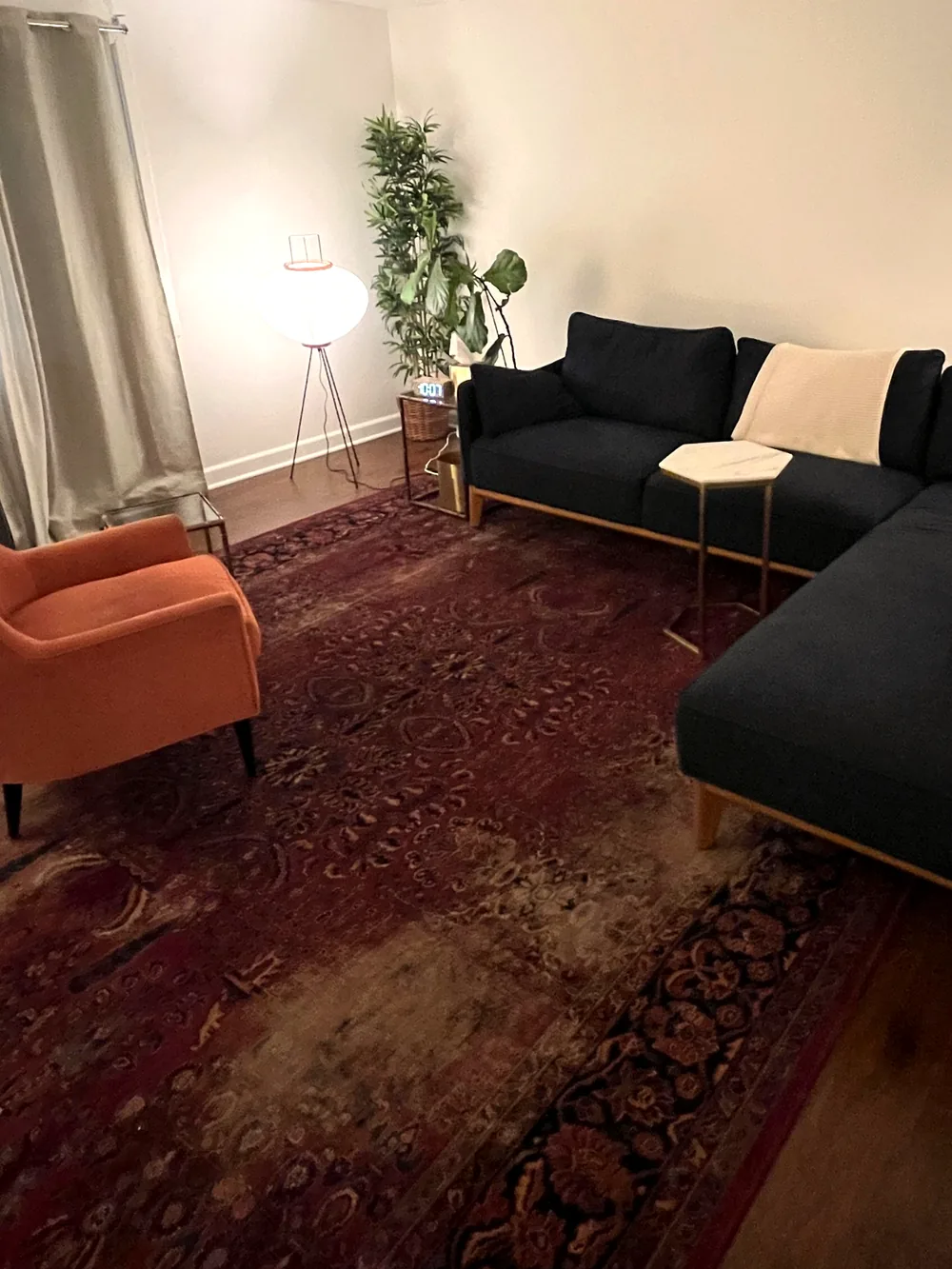
I offer in-person couples sessions at my offices in Los Feliz, as well as secure telehealth sessions for couples located anywhere in California.
How do fees and out-of-network reimbursement work?
Couples sessions are $300 for 55 minutes, and extended 90-minute (double) sessions are $500. Sessions booked directly through Depth Therapy are private pay. If your plan has out-of-network benefits, I provide monthly superbills you can submit for possible reimbursement. If you would prefer to use insurance, we can talk through your options during the free consultation.
06 — Fees & Details
Session Fees & Practice Details
Couples sessions are 55 minutes, with 90-minute double sessions available for deeper relational work. Sessions take place in person at my offices in Los Feliz or by secure telehealth anywhere in California.
Sessions booked directly through Depth Therapy are private pay. If your plan has out-of-network benefits, I provide monthly superbills you can submit for possible reimbursement. If you would prefer to use insurance, we can talk through your options during the free consultation.
If you’re not using insurance, you have the right to receive a Good Faith Estimate of expected charges.
Free 15-Minute Consultation
Request a Consultation
Start with a short inquiry. It takes about two minutes, and then you can choose a time for a free 15-minute phone consultation.
Start with a quick inquiryPrefer to talk first? Call (323) 505-9006.